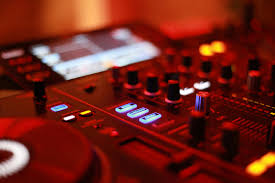

Every DJ remembers their first remix. For me, it was the moment I stopped feeling like I was just playing other people’s music and started realizing I could reshape it, bend it, and make it my own. That first remix wasn’t perfect, but it was transformative—it showed me what it meant to truly create.
The Challenge
When I sat down to remix my first track, I thought it would be simple. Take a song I loved, add a beat, maybe tweak the tempo, and boom—done. But the reality was way more complicated.
Balancing respect for the original with my own style wasn’t easy. I wanted to honor the track but also make it mine. I spent hours experimenting with tempo changes, layering new beats, and adjusting vocals. At first, it felt overwhelming. I worried about ruining the song, about making something that didn’t resonate.
There were nights when I scrapped everything and started over. But every failed attempt taught me something—about rhythm, about patience, about trusting my instincts.
The Breakthrough
The breakthrough came when I stopped trying to make the remix “perfect” and started letting it reflect me. I added a bassline that felt heavier than the original, chopped the vocals into unexpected patterns, and layered in samples I’d collected from everyday life. Suddenly, the track felt alive.
The first time I played my remix live and the crowd reacted—that was the moment I knew I’d found my lane. People recognized the track, but they were surprised by the twists I added. The energy in the room shifted, and I felt like I had truly contributed something new.
It wasn’t just about the song anymore—it was about the connection. The remix gave me a voice.
The Lesson
Remixing taught me that creativity is about dialogue. It’s a conversation between artists, eras, and audiences. By remixing, I wasn’t just copying—I was responding, adding my voice to the conversation.
It also taught me resilience. Every failed version was a step toward the one that worked. Every mistake was a lesson in how to listen more closely, how to trust the crowd, and how to trust myself.
Most importantly, it taught me that art doesn’t have to be original to be meaningful—it just has to be authentic. A remix is proof that you can take something familiar and make it feel brand new.
Reflection
That first remix wasn’t perfect, but it was transformative. It showed me that music is about connection, and remixing is one of the purest forms of it. It’s where I learned that DJing isn’t just about playing tracks—it’s about shaping them, bending them, and making them speak in new ways.
Now, every time I sit down to remix, I remember that first attempt. The frustration, the breakthrough, the crowd singing along to something they thought they knew but suddenly felt different. That’s the magic of remixing—it’s not just about sound, it’s about surprise.
And that’s why I’ll keep remixing. Because every remix is a chance to join the conversation, to add my voice, and to remind people that music is alive, evolving, and always ready to be reimagined.