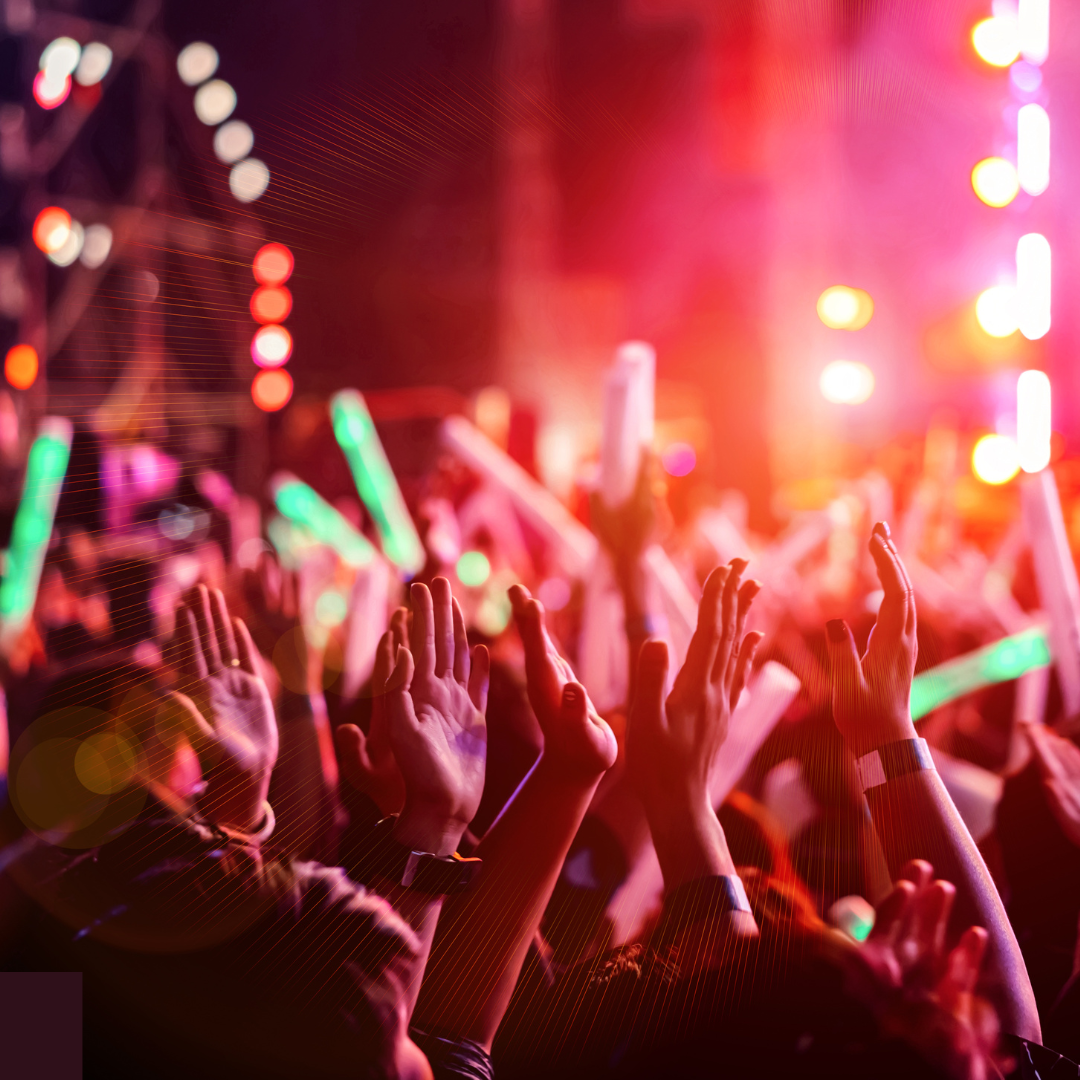

From Underground Raves to Mainstream Dominance
Electronic Dance Music (EDM) has undergone a remarkable transformation since its inception, evolving from underground rave culture to a global phenomenon that dominates music festivals and charts worldwide. Let's take a journey through the key stages of EDM's evolution and explore how it has shaped the music landscape.
The Birth of EDM: 1980s and Early 1990s
EDM's roots can be traced back to the 1980s, when electronic music pioneers like Kraftwerk, Giorgio Moroder, and Jean-Michel Jarre began experimenting with synthesizers and drum machines. These early innovators laid the groundwork for what would become a diverse and dynamic genre.
In the late 1980s and early 1990s, the rave culture emerged in Europe, particularly in the UK. Acid house, characterized by its squelchy basslines and repetitive beats, became the soundtrack of underground raves. Tracks like "Acid Tracks" by Phuture and "Voodoo Ray" by A Guy Called Gerald were anthems of this era.
The Rise of Subgenres: Mid-1990s to Early 2000s
As EDM gained popularity, various subgenres began to emerge, each with its own distinct sound and style. Trance, with its euphoric melodies and uplifting vibes, became a favorite among club-goers. Artists like Paul Oakenfold, Tiësto, and Armin van Buuren were instrumental in popularizing trance music.
House music, which originated in Chicago, also saw a resurgence during this period. Subgenres like deep house, progressive house, and tech house gained traction, with artists like Frankie Knuckles, Sasha, and John Digweed leading the charge.
The Mainstream Breakthrough: Late 2000s to Early 2010s
The late 2000s marked a turning point for EDM as it began to break into the mainstream. The rise of social media and digital music platforms allowed artists to reach a wider audience. Festivals like Tomorrowland, Ultra Music Festival, and Electric Daisy Carnival became massive events, attracting hundreds of thousands of fans.
During this period, the "big room" sound, characterized by its anthemic drops and high-energy beats, became synonymous with EDM. Artists like David Guetta, Swedish House Mafia, and Avicii played a crucial role in bringing EDM to the forefront of popular music.
The Modern Era: Mid-2010s to Present
In recent years, EDM has continued to evolve, incorporating elements from other genres and pushing the boundaries of electronic music. Future bass, with its lush chords and melodic drops, has become a dominant force, thanks to artists like Flume and Marshmello.
Techno and house have also experienced a resurgence, with a new generation of producers and DJs bringing fresh energy to these classic genres. Artists like Charlotte de Witte, Amelie Lens, and Fisher have gained widespread acclaim for their innovative sounds.
Moreover, the rise of live streaming and virtual festivals during the COVID-19 pandemic has further expanded EDM's reach, allowing fans to experience performances from the comfort of their homes.
The Future of EDM
As we look to the future, EDM shows no signs of slowing down. The genre's ability to adapt and innovate ensures its continued relevance in the ever-changing music landscape. With advancements in technology and a growing global fanbase, the possibilities for EDM are limitless.
From its humble beginnings in underground clubs to its current status as a global phenomenon, EDM's evolution is a testament to the genre's enduring appeal and transformative power. Whether you're a longtime fan or a newcomer to the scene, there's no denying the impact of EDM on the world of music.